
Win the AI answers your buyers actually see.
A done-for-you AI search visibility program with a 4-month minimum. Owned content, source updates, and editorial PR — calibrated to the queries running through ChatGPT, Perplexity, and Google AI. Measured monthly.
$5K–$7K / month · 4-month minimum · PR priced separately

best CRM for early-stage startups
A program built for how AI search actually works
Win the fan-out, not just the keyword
Broad buyer prompts can expand into multiple related research angles, and your share-of-voice depends on covering the branches your buyers actually run. We map those branches, then build the answer-ready content and source updates that help you compete for them.
"CRM with a free tier under 1,000 contacts"
Comparison page refreshed
"lightweight CRM that doesn't need an admin"
Use-case page targeting this branch
"best CRM for solo founders pre-seed"
Answer-ready article published
"Pipedrive vs HubSpot vs Attio for startups"
Comparison table updated with extractable answers
"is HubSpot Free actually free for startups"
FAQ block added with schema
Visibility and narrative, query by query
Visibility is whether an observed answer mentions you. Narrative is what that answer says — for example, 'enterprise only,' 'too expensive,' or recommended after a competitor. We record both, state provider coverage, and do not attribute a change to a placement unless the evidence supports it.

Editorially defensible by default
No site-reputation-abuse plays, no undisclosed paid placements, no Wikipedia COI edits. Compliant PR on real publishers, FTC-aligned disclosure, and the structured data the platforms actually document. Compliance is a feature — it's why the work compounds.

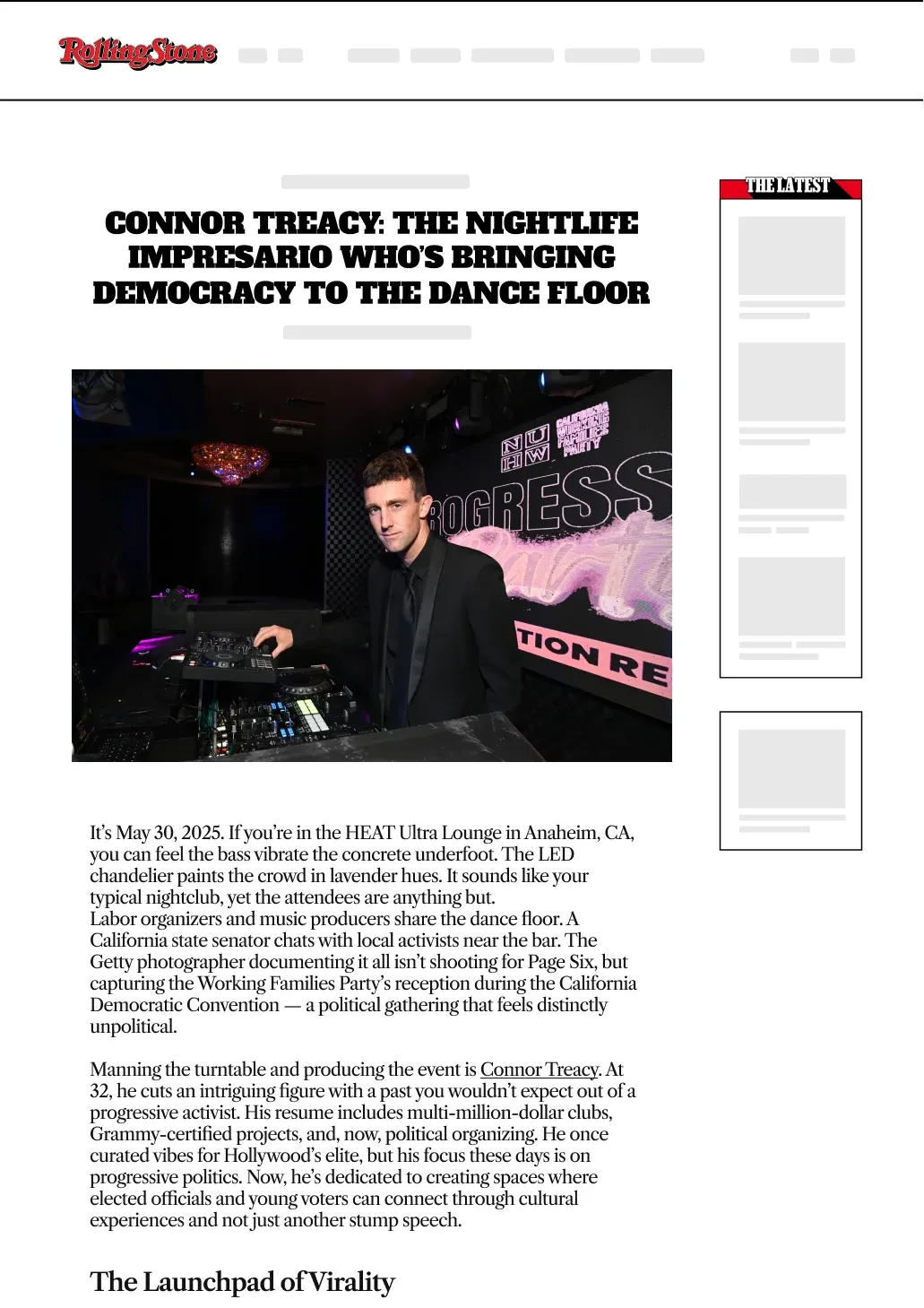
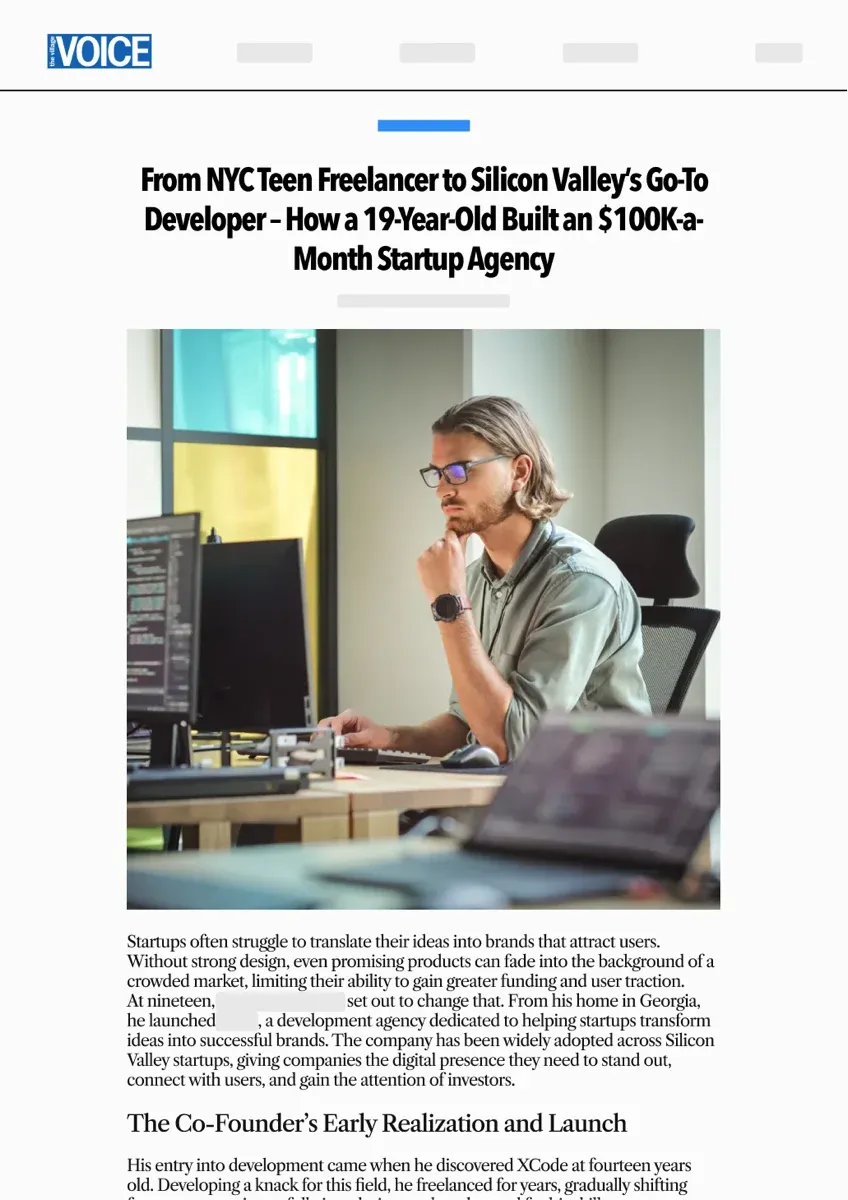

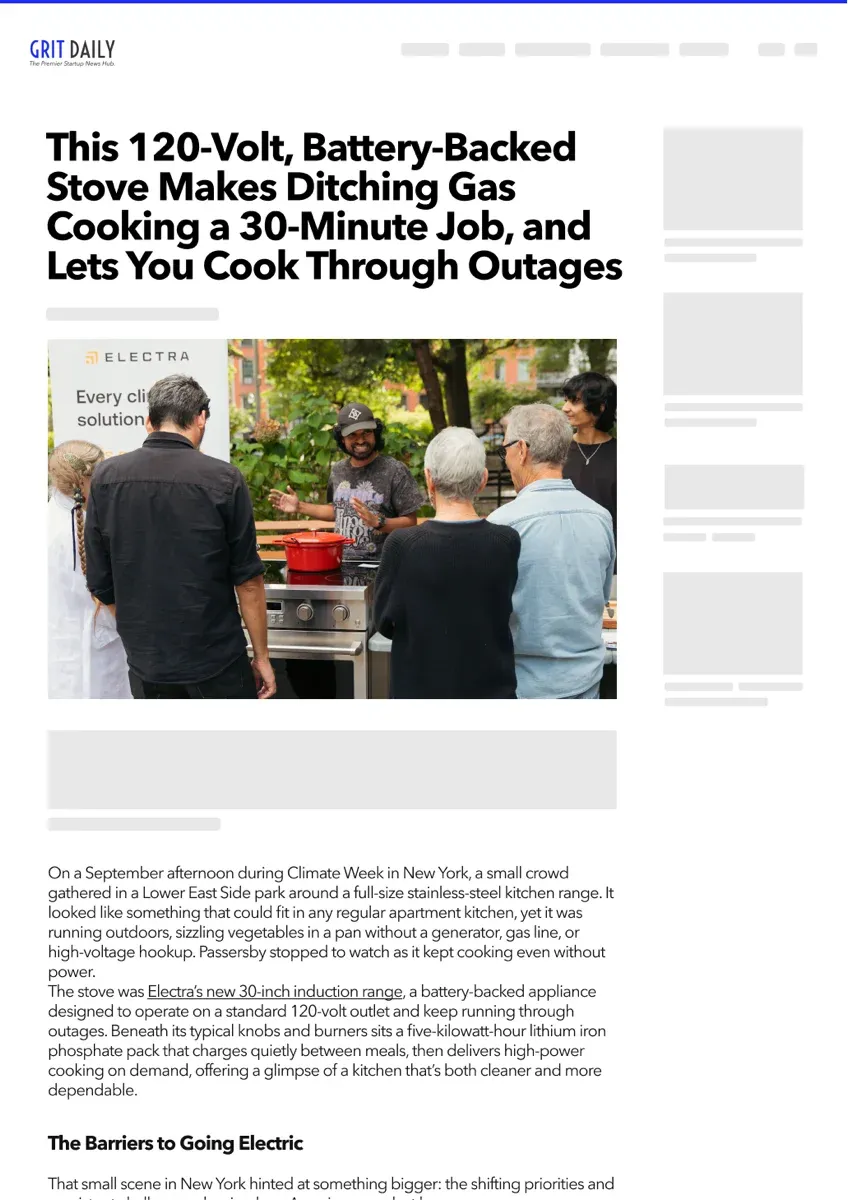

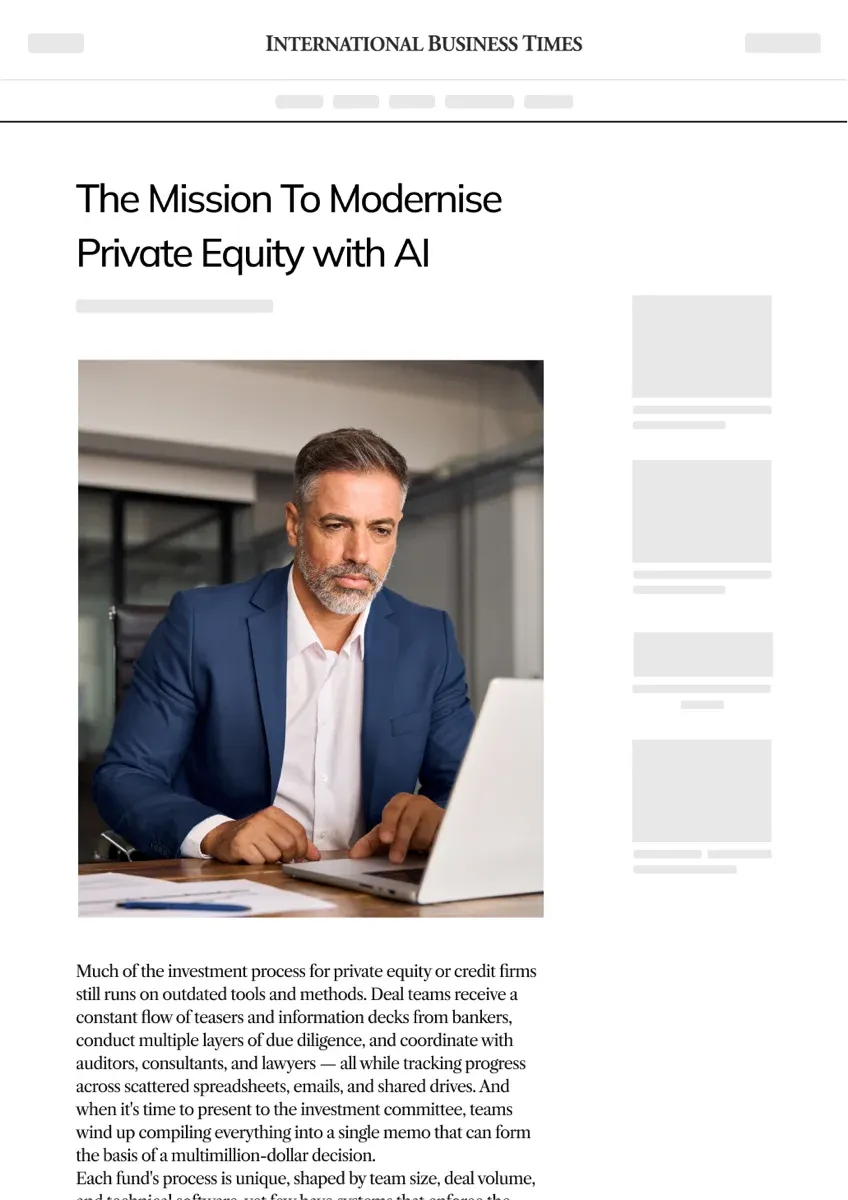
How does a brand get cited by AI search engines?
A brand gets cited by AI search engines like ChatGPT, Perplexity, and Google AI when accurate, relevant information about it appears in the sources those engines retrieve. That applies to the buyer's prompt and to the related sub-queries it fans out into. In practice, that means answer-ready pages on your own site, up-to-date third-party profiles and listings, and relevant independent coverage, all describing your brand consistently.
No one can guarantee a specific mention. You improve the odds by covering the branches your buyers actually research and by measuring what observed answers say about you.
- Map the fan-out: the sub-questions a broad buyer prompt expands into.
- Publish answer-first owned content with clear headings, comparison tables, and FAQ blocks.
- Update the third-party sources you control: business profiles, directories, marketplaces, partner pages.
- Earn compliant, clearly disclosed coverage on relevant publishers for the branches you can't win on your own domain.
- Track citation share, cited sources, brand narrative, and AI referral traffic every month.
Three execution paths, cheapest to hardest
- 01Cheapest. Highest control.
Fix or expand your owned content
Refresh the pages already getting cited, then build new answer-ready content for the fan-out branches you can plausibly win on your own domain. Answer-first sections, clean entity context, descriptive headings, comparison tables, FAQ blocks.
- Refresh existing 'best [category]' pages with extractable answers
- Build new comparison and use-case pages targeting fan-out terms
- Author bios, evidence of expertise, original data and benchmarks
- 02Almost free. Often skipped.
Update the third-party sources you control
Most brands lose AI search to outdated descriptions on surfaces they own — they just forgot they own them. Profiles, feeds, partner pages, app-store listings, software-directory entries, retailer pages. Clean these up before spending on PR.
- Google Business Profile, Bing Places — descriptions, hours, categories
- Retailer & marketplace listings (Amazon, Walgreens, etc.)
- App stores, software directories (G2, Capterra, Clutch)
- Partner pages and integration directories
- 03Most expensive. Highest-value branches only.
Publish on relevant off-site sources
For fan-out branches you can't win on your own domain, build useful third-party context through original studies, expert commentary, category explainers, and customer stories. Earned coverage stays independent; paid editorial is clearly disclosed and any paid link is qualified.
- Original research and benchmark reports
- Expert commentary and contributed pieces
- Local and trade press where the prompt has a real geographic or sector angle

What you get, every month
Strategic PR priced separately, so you only pay for the placements your fan-out actually needs.
Onboarding
- ICP and buyer-journey mapping
- Seed prompt library and fan-out expansion
- Source-control matrix
- Baseline visibility, source & narrative audit
Core delivery
- 8 answer-ready articles published on your site
- Source-update sprints across cited surfaces
- Compliant community plan where relevant
- Monthly citation report with KPI stack
- Direct line to your AEO lead — no ticket queue
Add-ons
- Strategic PR placements against your highest-value fan-out branches
- Custom dashboard build-outs for stakeholder reporting
- Expedited content cycles
See where AI puts your brand today.
The free Lectern scan runs a defined set of target prompts across the providers configured for the report. It shows which successful observations mention you or competitors, which sources they cite, how your brand is described, and which prompt-provider cells were not measured.


Other ways to do this, and when each is the better choice
We're not the cheapest path. We run the workstreams most teams cannot staff, and we report what changed and what did not.
Monitoring dashboards
You already have people who will act on the data and mainly need measurement.
We are the team. The tools sit underneath the program — you get the work done, not another login.
Content tools
You have writers and editors and mainly need to produce pages faster.
Articles are one workstream here. Source updates and monthly reporting run alongside them.
A traditional agency
You want one team to run your overall SEO and content, with AI search as one part of it.
Built around prompt families, source evidence, narrative accuracy, and qualified traffic — while retaining the technical and content fundamentals of SEO.
Doing it in-house
You want the skills inside your company for the long term and can wait while a hire ramps up.
Senior operators on day one, four workstreams running by week two. No hiring risk.
Editorially defensible. Compliance is a feature.
Here's where we draw the line.
Drop irrelevant white-label pages on authority domains to borrow ranking signals.
Editorially relevant placements where the topic genuinely fits the host. Google's site-reputation-abuse policy targets the former.
Hide paid placements as organic editorial.
rel="sponsored" or rel="nofollow" for paid-placement links, plus clear disclosure of material connections.
Edit your Wikipedia page directly or pay for fake reviews.
Earn independent coverage first, then request factual corrections transparently where Wikipedia's COI rules allow.
Promise specific AI rankings or guaranteed mentions.
Track citation share, cited pages, fan-out coverage, AI referral sessions, and conversions — and report trajectory honestly.
Add 'AEO schema' or 'llms.txt' as if they were required.
Google's AI feature docs point back to standard Search fundamentals, not a special AEO markup layer. We focus on what platforms actually document.
Who this is — and isn't — for
Saying no to bad fits is how we keep the program working.
- You have an established website and existing topical authority.
- Search and AI is a primary acquisition channel for your buyers.
- You can fund $5K–$7K/mo for content + source work, with PR as a separate add-on.
- One operator can approve work and stay out of the way between monthly check-ins.
- You care about how AI describes you, not just whether it mentions you.
- You need a guaranteed mention in under 30 days. AEO compounds over weeks.
- Your TAM is small and local and they don't search online.
- You want a dashboard to make your own decisions. That's a tool purchase, not this.
- Every change needs to clear three layers of legal and brand review.
- You can't fund both owned content and source/PR work simultaneously.
Other offers
Pick the package that matches your goal and timeline.
AEO Starter
A Lectern visibility audit, a 30-minute strategy session, three disclosed paid editorial placements, and a 30-day before-and-after report.
View this offerApple News Bundle
A premium publisher article, Apple News syndication, publisher-permitted link placement, interview, and one-week turnaround.
View this offerFrequently asked questions
The questions we get most often, answered honestly.
Isn't AEO just SEO with a new name?
AEO is SEO plus three things: answer-ready content (clean blocks AI can extract), source management (cleaning up how you're described in third-party places already cited by AI), and compliant digital PR (independent sources where you can't win on your own domain). Google's AI feature guidance points back to standard Search fundamentals rather than a special AEO markup layer. The fundamentals still matter; the surfaces are different.
What's the difference between a visibility gap and a narrative gap?
A visibility gap means the brand is absent from a successfully observed answer. A narrative gap means it appears but is described inaccurately or weakly — for example, 'enterprise-only' despite a lower-priced plan, or as the wrong product category. Missing provider data is a measurement gap, not a visibility gap. Reports separate all three.
How does query fan-out actually work?
Google documents that AI Overviews and AI Mode may use query fan-out, issuing multiple related searches across subtopics and data sources. So 'best CRM for startups' can branch into angles like free tiers, migration support, solo-founder workflows, and product comparisons. We map those branches per prompt, identify which the brand can plausibly win, and target those.
Can you guarantee I'll show up in ChatGPT?
No, and you should be skeptical of anyone who does. AI retrieval is non-deterministic, varies by user context, and changes as models update. What we can commit to: tracking citation share, cited pages, grounding-query coverage, AI-referral sessions (via utm_source=chatgpt.com and Bing's AI Performance dashboard), and conversions — and reporting trajectory monthly.
Why a 4-month minimum?
Because that's how the systems work. Google's docs note that recrawling and reprocessing structured-data or content changes can take days and sometimes longer. Bing says reflected changes can take seconds to a week. OpenAI takes about 24 hours to respond to robots.txt updates. Once content is published, citations build over weeks as models re-retrieve. A multi-month engagement is operational reality, not a sales gimmick.
Are your PR placements compliant with Google and the FTC?
These are paid placements. Each publisher sets its own labelling, and the listing shows it where the publisher states one. Link type is shown on each listing and varies by outlet. We don't use irrelevant white-label pages dropped on authority domains purely to borrow ranking signals; Google's site-reputation-abuse policy is designed to address that pattern.
Will you edit my Wikipedia page or pay for fake reviews?
No. Wikipedia notability requires significant coverage in independent reliable sources, and conflict-of-interest rules discourage paid editing. The right path is to earn coverage first, then request factual corrections transparently where allowed. Compensated reviews on community platforms like Reddit also fall under FTC disclosure rules. We work the durable way: real coverage, real evidence, real corrections.
How do you actually measure progress?
Every report starts with intended versus successful prompt-provider observations so missing data is visible. It then records mentions, cited pages, brand descriptions, and relevant prompt-family coverage. Search Console and Bing AI Performance data are used where available; GA4 tracks known AI referrals, engaged sessions, and conversions. Visibility, traffic, and business outcomes are reported as separate layers rather than collapsed into one score.
What's actually delivered each month?
Discovery (ICPs, buyer-journey prompt mapping, source-control matrix) up front. Then per month: 8 answer-ready articles on your site (typically 2/week), source-update sprints across the third-party surfaces already being cited (business profiles, retailer/marketplace listings, app-store/software-directory pages), a community-source plan where relevant (Reddit, forums, niche communities — done compliantly), and a monthly citation report. Strategic PR runs as a priced add-on against the highest-value fan-out branches.
Who is this not for?
Three groups: (1) Teams under ~$5K/mo that can't fund both content and source/PR work simultaneously — the program won't have enough surface area to move metrics. (2) Companies that need a guaranteed mention in under 30 days — that's a different motion. (3) Large teams that want to debate every change. The program works best when one operator can approve work and stay out of the way.
What about the Search Console impression-data caveat?
Worth knowing: Search Console reporting can change when Google changes how AI features appear and are counted in Search. Reports should annotate known data anomalies and avoid over-interpreting impressions or CTR without click, conversion, and downstream engagement context.


Apply for the AEO program.
Start with a visibility, source, and narrative report that states its coverage. If the diagnosis fits, we'll scope a 4-month engagement against your priority prompt families.
$5K–$7K / month · 4-month minimum · PR priced separately