Content PR: Why Your Brand Needs Both PR and Content Marketing
The short answer
PR and content marketing serve different but complementary roles. PR builds credibility through third-party validation and media coverage, while content marketing builds audience relationships through owned channels like blogs, newsletters, and videos.

What is content PR, and why does your brand need both PR and content marketing? As of August 2026, the short answer is yes, but for different reasons.
PR and content marketing serve distinct purposes: PR builds credibility through third-party validation and media coverage, while content marketing builds audience relationships through owned channels like blogs and newsletters. The most effective brands combine both strategies.
PR focuses on getting others to talk about your brand in a positive light, like getting a press release picked up in a popular news outlet. It usually targets people who are already aware of your brand for the purpose of building trust, inspiring positive sentiment, or doing damage control. Furthermore, it’s usually done indirectly, through media placements or other neutral outlets.
Content marketing, on the other hand, focuses on directly targeting your audience through blogs, newsletters, or videos. It typically aims to reach a new audience and build your brand’s customer base through value-additive content. HubSpot’s 2024 State of Marketing Report found that 29% of marketers actively use content marketing, making it one of the most widely adopted strategies.
To grow your brand, you need to understand how PR and content marketing overlap and learn how to get the most out of both. Start by defining your ideal customer profile to ensure both strategies reach the right audience.
PR and Content Marketing at a Glance
PR and content marketing are two complementary ways to grow a brand. PR earns credibility when trusted third parties, such as news outlets and industry publications, talk about you. Content marketing builds relationships through content you publish on your own channels, such as blogs, newsletters and videos. Used together, PR supplies the outside validation and content marketing supplies the ongoing value that keeps an audience engaged.
| PR | Content Marketing | |
|---|---|---|
| Channel | Third-party outlets (earned coverage or paid editorial placement) | Owned media (blog, newsletter, video) |
| Main goal | Build trust and positive sentiment | Attract, educate and convert audiences |
| Typical audience | People already aware of your brand | New audiences discovering your brand |
| Shelf life | Tied to the news cycle | Keeps delivering value long after publishing |
Building Positive Sentiment with Public Relations
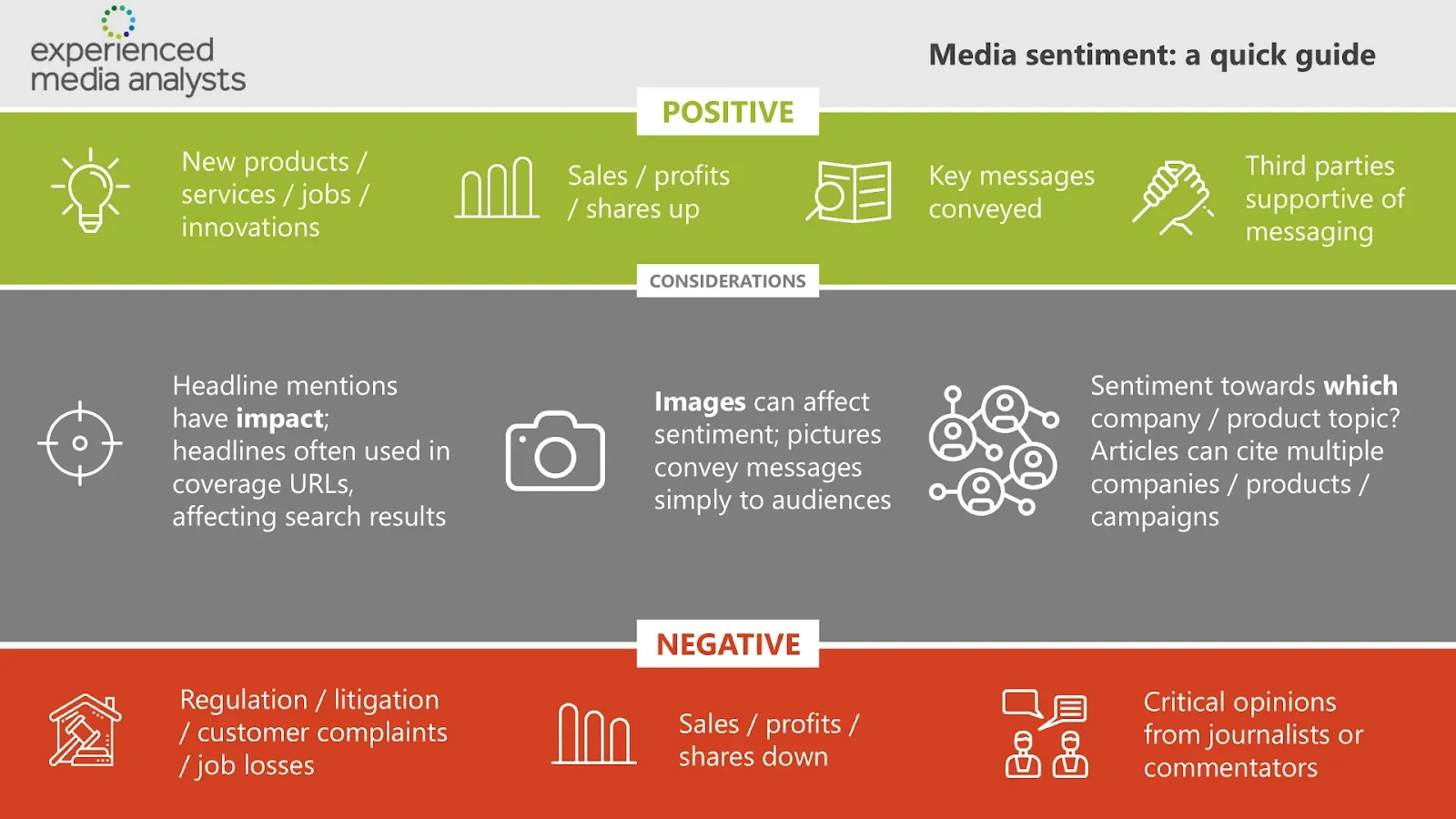
(Image Source: PR Resolution)
While there are exceptions, PR mostly targets existing audiences to build or maintain trust and reinforce positive sentiment. For example, consider a SaaS startup that wants to generate customer engagement by announcing an exciting new feature.
But suppose a brand is struggling to maintain a positive sentiment. For example, if a CEO of a makeup brand were to make a casual remark about beauty standards that comes off as dismissive of body positivity, it could spark a backlash from customers.
To solve this, a good strategy would be to follow PR expert Molly McPherson’s “own it, explain it, promise it” framework.
In this case, the CEO could start by writing an open letter on the brand’s blog, acknowledging (owning) the misstep and reaffirming the brand’s commitment to body positivity. Next, they could do an interview with Refinery29 (a platform known for speaking to young women) where they directly address the issue (explaining it) and announce a new initiative to regain their audience’s trust (promising it). This could include the launching of a new product line focused on inclusivity or forming a customer advisory board dedicated to body positivity.
Creating Value on Your Platform with Content Marketing
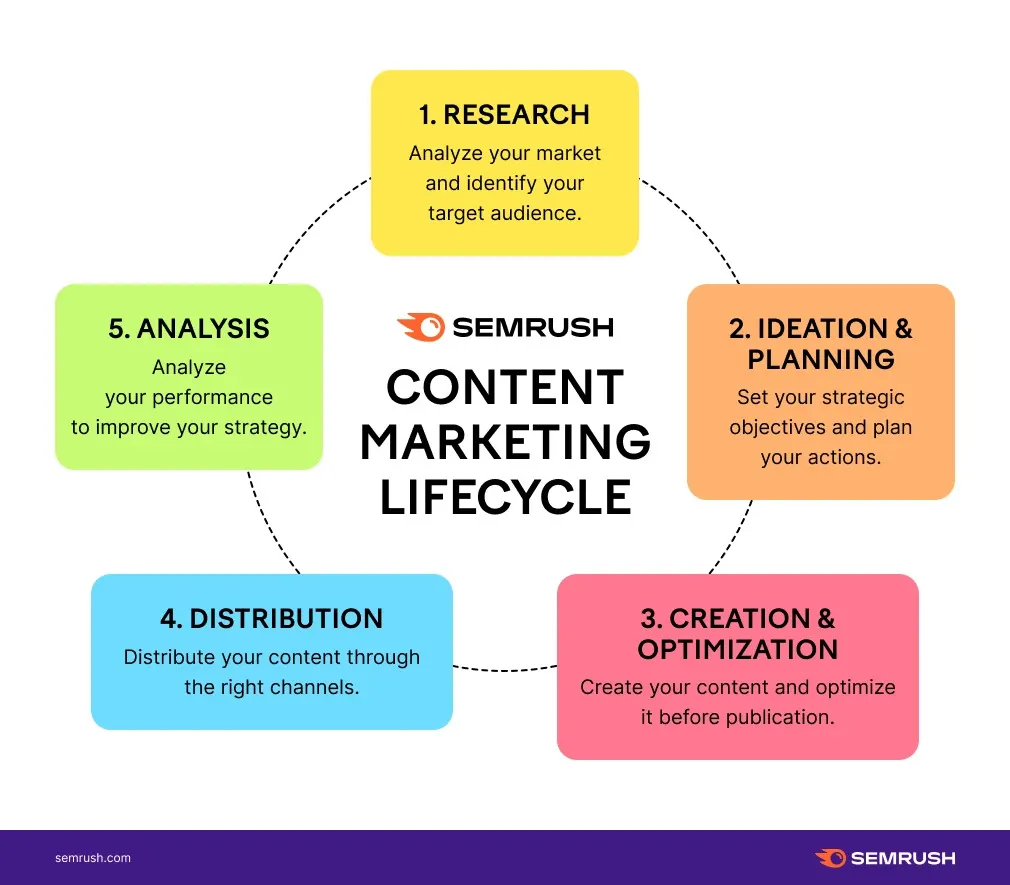 (Image Source: [Semrush](https://www.semrush.com/blog/what-is-an-infographic/))
Content marketing is more focused on educating, entertaining, and engaging an audience, leveraging content that’s posted by the brand itself. The goal here is typically to generate leads, drive conversions, or build brand loyalty. This is accomplished by publishing content that has a longer shelf life than a typical media placement (like a blog, white paper, or social media post). This content keeps providing value and drawing people in long after it’s published. Effective business storytelling makes this content memorable.
For example, suppose that an eco-friendly travel gear brand wants to win over a new generation of adventure seekers but faces steep competition. A strong content marketing strategy could include launching a weekly blog or video diary series featuring real customers hiking, kayaking, and sharing how the gear supported their sustainable journeys.
By creating a shared community, delivering tips on sustainable travel, and creating new products to help make adventures more enjoyable, the brand can break away from the competition and position itself as a go-to resource for eco-conscious travelers.
Content PR in Action: How PR and Content Marketing Work Together
PR and content marketing may have different goals, but they’re both crucial if you want to cover all your bases. Edelman’s research shows that 63% of buyers trust technical experts over company spokespeople, which is why combining third-party PR coverage with your own content marketing creates a more credible brand presence. Every brand should try to build positive sentiment through third-party content and offer value to win customers through owned media. This way, you’re not just building a good reputation through outside sources. You’re backing it up with content that keeps your audience engaged and loyal, showing you really walk the talk.
But how exactly can these two approaches work together?
Let’s say a music instrument brand is trying to expand its digital sales. To do so, it invested time and money into developing a machine learning tool that recommends musical instruments and gear based on customers’ preferences, skill levels, and past purchases. But there’s a problem: No one’s using it.
To this end, the brand could develop a PR strategy that involves working with music industry publications like MusicRadar and Guitar World to share stories of musicians who have found the perfect gear using the tool. Getting featured in trusted third-party publications builds credibility that owned content alone cannot achieve. They could also secure live Q&A sessions with social media influencers or pro musicians to show the tool in action and build trust with potential customers. Interviews with Forbes or Wired could talk about how the tool makes the shopping experience easier.
On the content marketing side, the brand could roll out easy-to-follow tutorials and “How it Works” videos on its blog. To make it fun, it could run a challenge: getting people to use the AI tool to find their ideal instrument and share their experience online for a chance to win discounts or free gear.
This combination of clever PR and content marketing could create significant buzz through third-party sources while offering both new and existing audiences valuable, enjoyable content on the brand’s own platform.
Presscart Has You Covered with PR and Content Marketing
Using PR and content marketing together results in a well-rounded strategy that not only gets positive attention for your brand but also builds lasting relationships with your customers.
Presscart’s media marketplace covers the third-party side with guaranteed paid editorial placements in 1,700+ publications, while our story creation service ensures your content resonates with both publishers and audiences. Learn how to measure PR ROI to track what works.
Create a free Presscart account and start combining PR with your content marketing strategy.
For the search side of the same question, see PR and SEO: why your PR isn’t showing up in search.
Frequently Asked Questions
What is the main difference between PR and content marketing?
PR focuses on earning third-party media coverage and building credibility through external sources like news outlets and industry publications. Content marketing focuses on creating owned content like blogs, newsletters, and videos to attract and engage audiences directly. PR builds trust through validation; content marketing builds relationships through value.
Can small businesses benefit from both PR and content marketing?
Yes. Small businesses can start with content marketing to build an audience on a limited budget, then add PR placements to accelerate credibility. Even a single placement in a respected publication can boost brand perception significantly.
How do PR and content marketing work together?
PR generates third-party credibility that makes your content marketing more believable. When a prospect sees you featured in a trusted publication, they’re more likely to trust the content on your own website. The combination creates a virtuous cycle of credibility and engagement.

Tom D'Agustino
Content Writer at Presscart
Tom writes thought leadership and press content for clients in medical research, cryptocurrency, Web3, and artificial intelligence. He specializes in positioning founders and executives as thought leaders in their respective fields.